
LIVING LANDSCAPES
My work in landscape architecture is inseparable from my painting practice.
Designing and researching landscapes allows me to work with living materials — light, wind, soil and time — the same elements that shape my paintings.
My research explores diverse gardens conceived by extraordinary individuals, all of them sharing a distinctive characteristic: their creation in times of crisis. Some emerged in response to adversity, while others acquired uniqueness in the midst of scarcity. Beauty reveals itself in exceptional ways when it surprises us in unexpected places, and that is why I find the achievement of those who made life flourish in the midst of devastation especially poignant.
.png)
PRUSSIAN PARK RESTORATION AND CONSERVATION
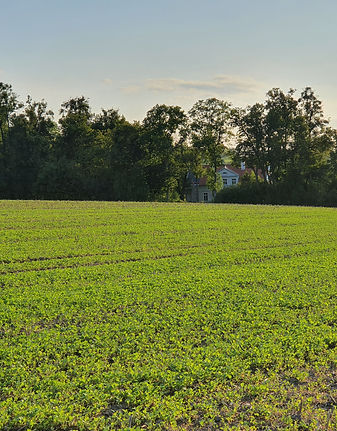
The manor-park complex in Komalwy is both a cultural and natural treasure, shaping the identity of Warmia’s landscape. This project honors its historical significance while unveiling its intrinsic aesthetic essence. Through careful interventions, the park’s heritage is celebrated, breathing new life into its terrain. Each element of planting, pathway and spatial composition respects history while encouraging a dialogue between past and present, allowing visitors to experience the landscape as both heritage and living environment.
BALEARIC LANDSCAPES
In my Balearic projects, every element is designed to harmonize with nature while embracing resilience and sustainability. Plant selections focus on Mediterranean species known for their adaptability to challenging microclimates, minimal water requirements, and compatibility with local pollinators. These landscapes embrace the rugged garrigue aesthetic, offering dynamic compositions where texture, scent and seasonal change are felt as much as seen. The result is a multisensory experience — rustic yet sophisticated — inviting contemplation of nature’s subtle, ever-shifting beauty.
.png)
This restoration project fuses oriental and classical influences, drawing on romanticism and botanical opulence from the 18th and 19th centuries. Meticulous research and profound respect for the garden’s origins guide each intervention, preserving its essence while introducing renewed vitality. The project celebrates heritage, culture, and the enduring beauty of landscape, inviting visitors to experience the timeless dialogue between history and living nature.

PIET OUDOLF GARDEN IN THE HAMPTONS
During my internship at Summerhill Landscapes in New York, I contributed to the installation of over 16,000 perennials curated by Piet Oudolf. This experience deepened my understanding of seasonal rhythm, plant selection and harmonious composition. Observing Oudolf’s philosophy of naturalistic planting emphasized the elegance of perennial cycles and the expressive potential of plants as living brushstrokes in a landscape canvas. These lessons continue to inform both my landscape practice and my painting.


USE OF THE INVASIVE PLANT ACCORDING TO THE EXAMPLE OF ARUNDO DONAX AS SUSTAINABLE MATERIAL IN GREEN INFRASTRUCTURE
My research explored the potential of the invasive reed Arundo donax as a sustainable material for urban landscapes. Resistant, lightweight, and durable, it offers aesthetic and functional possibilities akin to bamboo, aligning with circular economy principles.
Harnessing ethnobotanical knowledge, I propose designs that integrate this species responsibly, demonstrating how urban landscapes can be simultaneously functional, beautiful, and ecologically conscious.

BOTANICAL COMPOSITIONS
Crafting intricate botanical installations that inhabit interior spaces is where nature meets design.
These compositions translate the rhythms and textures of living landscapes into immersive, sensory experiences, blurring the line between garden, installation, and artwork. Every plant, form and scent is orchestrated as part of a living composition, emphasizing the poetic potential of botanical materials within designed spaces.


